Choosing operational excellence consultants in India is a significant decision: the right partner can build capability that lasts for years, while the wrong one can leave behind reports, fatigue and scepticism. Seven simple ways to evaluate operational excellence consultants, from checking shop-floor experience to agreeing how capability will be transferred, help manufacturing leaders compare options on substance rather than presentation and choose support that fits their plant, people and goals.
India has a wide range of operational excellence consultants, from large global firms to specialist boutiques and independent practitioners. Proposals often look similar: diagnostics, workshops, training and dashboards. The differences that matter, such as how consultants work with your teams, how they measure success and what they leave behind, are not always visible on paper. A structured way of choosing helps leaders look past the presentation and focus on what will actually change the plant.

Why does choosing the right operational excellence consultants matter?
An engagement with operational excellence consultants affects far more than a single project. It shapes how your people see improvement, how leaders spend their time and whether the organisation becomes more capable or more dependent. A good choice builds internal skills, routines and confidence. A poor choice can leave teams cynical about the next initiative, which makes future change harder.
What are the 7 simple ways to choose operational excellence consultants in India?
| Way | What to check | Warning sign |
|---|---|---|
| 1. Shop-floor experience | Consultants who have worked in plants like yours | Mostly slide-based or office-based experience |
| 2. Relevant industry knowledge | Understanding of your processes, regulations and customers | Generic examples that do not match your sector |
| 3. Clear diagnostic approach | How they will find where performance is lost | Solutions proposed before understanding your plant |
| 4. Measurable outcomes | Targets linked to your business priorities and baseline | Vague promises or activity measures only |
| 5. Capability transfer | A plan to train and coach your people | Heavy reliance on consultant staff to do the work |
| 6. Cultural fit | Ability to work with your teams, language and pace | One-size-fits-all methods imported without adaptation |
| 7. Sustainability plan | Routines and ownership that keep results after exit | No plan for what happens when the engagement ends |
1. Why check shop-floor experience?
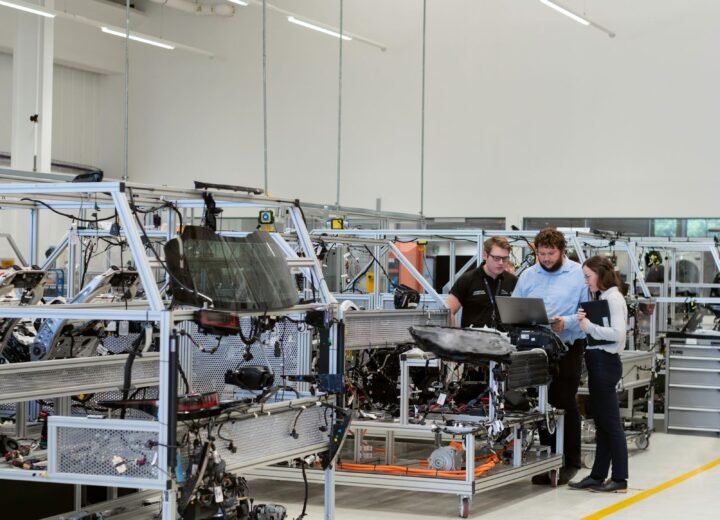
Operational excellence is won or lost on the shop floor. Ask who will actually work with your teams, and what plants they have worked in before. Consultants who have run lines, led improvement teams or managed plants understand the practical realities: shift patterns, contract labour, equipment constraints and the pressure of daily output. Ask to meet the people who will be on site, not only the senior partners in the proposal meeting.
2. Why does industry knowledge matter?
Methods such as lean manufacturing apply across sectors, but each industry has its own constraints. Pharmaceutical plants work within strict regulatory requirements. Process industries such as cement and chemicals focus on equipment reliability and yield. Engineering and automotive suppliers deal with high product variety and demanding customers. Operational excellence consultants who understand your sector will reach useful insights faster and avoid recommendations that do not fit.
3. What should a good diagnostic look like?
A good diagnostic is based on observation and data from your plant, not on a standard template. Ask how the consultants will understand where performance is lost: which areas they will observe, what data they will collect and how they will involve your people. Be cautious if a proposal offers detailed solutions before anyone has visited the shop floor.
4. How should outcomes be measured?
Agree measurable outcomes at the start, linked to your business priorities and based on your own baseline. Examples include capacity recovered at the constraint, scrap reduced, lead time shortened or on-time delivery improved. Avoid engagements measured only by activity, such as the number of workshops held or people trained. Activity matters only if it changes results.
But there is a more fundamental question worth asking: will the plant be more capable when the operational excellence consultants leave, or simply more dependent on them?
5. Why is capability transfer so important?
The most valuable outcome of any engagement is an organisation that can keep improving on its own. Ask how operational excellence consultants will train and coach your supervisors, engineers and managers, and how responsibility will shift to them over time. A good plan includes internal coaches, practical training linked to real problems and a gradual handover of routines.
6. How do you judge cultural fit?
Indian plants vary widely in culture, language, hierarchy and pace. Operational excellence consultants need to adapt their approach to your organisation rather than imposing a rigid model. Look for consultants who listen, explain methods in simple terms, respect local knowledge and can work comfortably with people at every level, from operators to the board. Reference calls with previous clients can reveal a great deal about how consultants behave on site.
7. What should a sustainability plan include?
Ask what will keep results in place after the engagement ends. A strong plan includes a daily management system, such as a structured daily work management routine, leader standard work, clear ownership of standards and a review rhythm that continues without outside support. If a proposal says little about sustainability, results are likely to fade.
What questions should you ask operational excellence consultants?
Useful questions include: Who exactly will work in our plant, and how much of their time will be on site? Can we speak to two or three previous clients with similar operations? How will you measure success, and what happens if targets are not met? How will our people be trained and coached? What will remain in place when you leave? How will you adapt your methods to our culture and constraints? The quality of the answers often matters more than the price.
How should fees and engagement models be compared?
Fees vary widely, and the lowest price is rarely the best value. Compare proposals on the total effort, the experience of the people on site, the scope and the expected outcomes. Some operational excellence consultants offer phased engagements, starting with a diagnostic and a pilot before committing to a larger programme. This approach lets you test fit and results before scaling, which reduces risk for both sides.
How do you check references properly?
References are one of the best ways to understand how consultants actually work. Ask for two or three clients with operations similar to yours, ideally in the same sector and region. Speak to the plant head or operations leader, not only to the person who signed the contract. Useful questions include: How much time did the consultants spend on the shop floor? How did your people respond to them? What results were achieved, and are they still in place? What would you do differently if you started again?
Where possible, ask whether you can visit a reference site. Seeing daily reviews, visual boards and standards in use a year or more after an engagement says far more about lasting value than any presentation. If a consultant is reluctant to provide references, treat that as a signal to look more closely.
Finally, compare what references say with what the proposal promises. Consistency between the two is a good sign; large gaps suggest that the approach in practice may differ from the approach on paper.
It is also worth asking references about the quieter details: how consultants handled disagreements, whether they adapted when something was not working, and how they treated operators and supervisors. These details reveal how a partnership will feel day to day, which matters as much as the methods used. A consultant who listens, admits mistakes and adjusts the plan is usually a better long-term partner than one who simply follows a fixed approach, however polished it looks. Taking the time to choose operational excellence consultants carefully at this stage saves far more time and money later in the engagement.
Frequently asked questions about operational excellence consultants in India
Should we choose a large firm or a specialist?
Both can work. Large firms may bring broad resources; specialists may bring deeper shop-floor experience in your sector. Judge them on the people who will actually work with you, their approach and their track record with similar plants.
How much of our team’s time will an engagement need?
Significant time from leaders and line teams is essential. Engagements that try to minimise internal involvement usually deliver less lasting value.
Can we start with a small pilot?
Yes, and it is often wise. A pilot in one area shows how the consultants work and what results to expect before committing to a wider programme.
Choosing operational excellence consultants with confidence
Choosing operational excellence consultants in India is easier when you focus on substance: shop-floor experience, industry knowledge, a clear diagnostic, measurable outcomes, capability transfer, cultural fit and a sustainability plan. These seven ways help leaders select a partner who leaves the plant stronger, more capable and better prepared to keep improving. Exploring what a structured operational excellence engagement typically involves is a useful step before inviting proposals.