Operational excellence consulting works differently in a family business. Decisions often sit with a promoter or a small group of family members, long-serving managers hold much of the know-how, and the next generation may be stepping into leadership at the same time. This guide sets out five simple rules for making operational excellence consulting work in family-owned manufacturers, so the effort strengthens the business without unsettling what makes it successful.
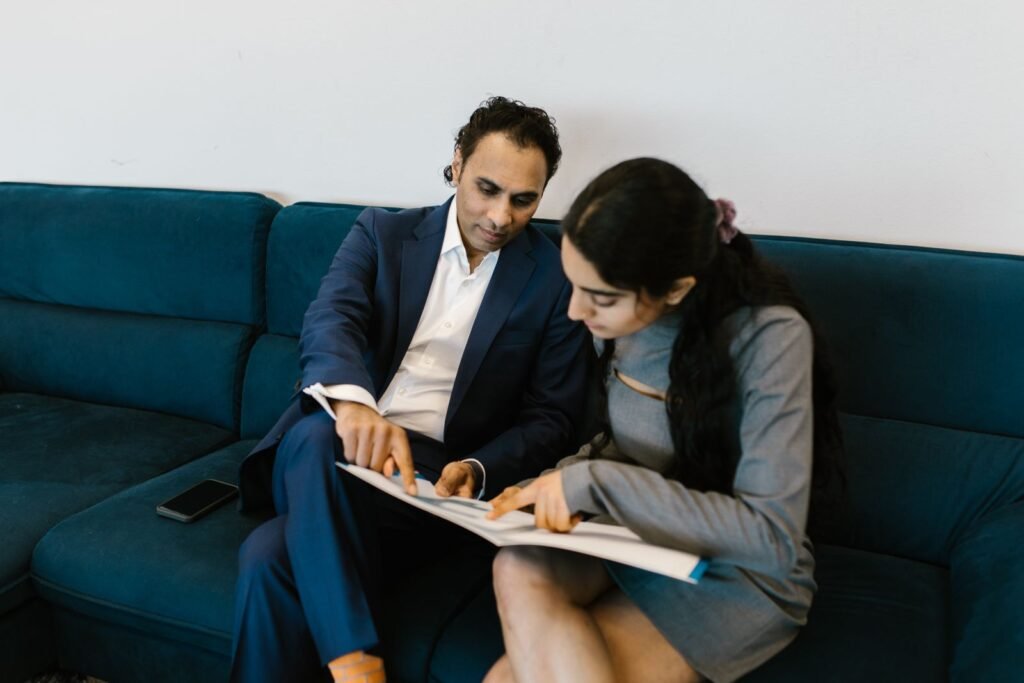
Family businesses make up a large share of Indian manufacturing, from small and mid-sized units to large groups. Many have grown on the strength of the founder’s judgement, close customer relationships and loyal teams. Those strengths are real. But as the business grows, informal ways of working can start to limit performance.
Why does operational excellence consulting need a different approach in a family business?
Operational excellence consulting needs a different approach in a family business because authority, trust and information flow differently. Decisions may depend on one or two family members, roles can overlap between relatives and professional managers, and many standards exist only in the heads of experienced people.
A family business also carries goals beyond profit: protecting the family name, keeping long-serving employees, and passing on a stronger company to the next generation. An approach that ignores these goals is unlikely to last.
The rules below help consultants and family leaders work together in a way that respects these realities while still building a disciplined operating system.
| Common tension | What it looks like | How the rules help |
|---|---|---|
| Speed versus consensus | Decisions wait for agreement within the family | Rule 1 and Rule 2 clarify who decides |
| Loyalty versus performance | Long-serving staff protected from scrutiny | Rule 3 values experience while making it visible |
| Founder versus next generation | Different views on pace and priorities | Rule 4 gives the next generation real ownership |
| Informal versus formal | Decisions made in conversations, not reviews | Rule 5 builds regular, fact-based reviews |
Rule 1: Why must the family agree on the purpose first?
The first rule is to make sure the family leaders agree on why they want operational excellence consulting before work begins. If one family member sees it as cost cutting, another as preparation for growth and a third as a way to professionalise the business, the effort will pull in different directions.
A short alignment session at the start helps. Family leaders agree the main business goals, the problems they want solved, the areas in scope and how they will support the work. The outcome should be simple enough to explain to every manager.
This shared purpose also protects the effort later. When difficult choices arise, the team can return to what the family agreed rather than reopening the question each time.
Rule 2: How should decision rights be clarified?
The second rule is to clarify who decides what. In many family-owned manufacturers, managers escalate even small decisions because they are unsure who has the final word. This slows improvement and frustrates teams.
Operational excellence work exposes these gaps quickly. A supervisor may want to change a standard, a manager may want to move a machine, and nobody is sure whether a family member must approve. Agreeing simple decision rights, with clear limits for each role, removes much of this friction.
Clarity also helps the family. When managers can act within agreed limits, family leaders have more time for customers, strategy and the long-term direction of the business.
Rule 3: How do you respect legacy knowledge while improving?
The third rule is to treat the knowledge of long-serving people as an asset to capture, not a habit to replace. Experienced supervisors and technicians often know exactly how to run a difficult machine or handle a demanding customer. The problem is that this knowledge is rarely written down.
Good operational excellence consulting involves these people early, asks them how they do the work and turns their best methods into visible standards. The idea of standard work is useful here: the current best method, written simply and shared with everyone.
When experienced staff see their knowledge recognised and used, they are far more likely to support change. When they feel judged or replaced, resistance grows quietly.
Rule 4: How can the next generation take ownership?
The fourth rule is to use the effort to develop the next generation of leaders, whether family members or professional managers. Giving a younger leader real ownership of a pilot area, with clear targets and coaching, builds both their skills and their credibility with the team.
This works best when the senior generation supports the next generation publicly while staying involved in reviews. The message to the organisation should be that the change is a shared family commitment, not one person’s project.
Ownership also needs room to make decisions. If every choice in the pilot must go back to the founder, the next generation learns little and the team sees no real change in how decisions are made.
Rule 5: Why do regular, fact-based reviews matter so much?
The fifth rule is to replace informal decisions with regular, fact-based reviews. In many family businesses, important decisions happen in conversations over lunch or late in the evening. That flexibility helps in a crisis, but it makes it hard for managers to know what was decided and why.
A simple rhythm of daily, weekly and monthly reviews, each with a clear purpose and a small set of measures, brings structure without bureaucracy. A daily work management routine on the shop floor, linked to a monthly review with the family leaders, creates a line of sight from operations to the owners.
Reviews also build trust. When everyone sees the same facts, discussions move from opinions and relationships to problems and solutions.
But there is a more fundamental question worth asking: is the business still run the way it needed to be run when it was smaller?
Many family businesses outgrow their own habits without noticing. What worked with fifty people and one plant often strains with several hundred people and multiple lines or sites.
What should family leaders look for in operational excellence consulting?
Family leaders should look for consultants who understand family-owned manufacturers, can work respectfully with both generations and long-serving staff, and focus on building capability rather than imposing a template.
Ask how the consultant will involve family members, how they handle disagreements between owners, and how they will capture the knowledge of experienced people. Clear, practical answers suggest real experience with family businesses.
It also helps to start with a defined scope, such as a diagnostic or a pilot, so both sides can build trust before committing to wider change. The operational excellence consulting services page outlines how a structured, phased engagement can work.
What are the common pitfalls for family-owned manufacturers?
The first pitfall is starting without family alignment. Mixed messages from owners quickly reach the shop floor and weaken the effort.
The second is protecting certain people or areas from change. If some departments are treated as off limits, others see the effort as unfair and lose commitment.
The third is handing the work entirely to consultants or to one manager. In a family business, visible involvement from the owners matters more than almost anything else.
The fourth is changing priorities too often. Family leaders face many demands, but switching focus every few weeks means nothing is finished properly.
How does operational excellence support long-term family goals?
Operational excellence supports long-term family goals by making the business less dependent on a few individuals. When standards, routines and decision rights are clear, the company can grow, bring in professional managers and pass to the next generation with less disruption.
It also protects the reputation the family has built. Reliable quality, on-time delivery and a disciplined operation strengthen relationships with customers and suppliers. A structured operational excellence programme gives the family a shared language for running the business across generations.
How should the first months be structured in a family business?
The first months set the tone. A sensible start is a short alignment session with the family leaders, followed by a diagnostic of the main operations and a pilot in one area with a committed local leader.
During the pilot, the family leaders should attend a short review regularly, ask about problems as well as results, and remove obstacles the team cannot solve alone. This visible involvement tells the organisation that the effort matters.
At the end of the pilot, review what worked, what needs to change and who will lead the next phase. Making that decision together, as a family, keeps the effort shared rather than owned by one person.
Frequently asked questions
Is operational excellence consulting suitable for small family businesses?
Yes. The scope can be sized to the business. Smaller family-owned units often see change quickly because decisions are made close to the shop floor.
Who should lead operational excellence in a family business?
A family leader should sponsor the effort visibly, with a named internal owner, often a senior professional manager or a next-generation leader, running it day to day.
How do you handle disagreements between family members?
Agree the purpose and decision rights at the start, and bring disagreements into regular reviews based on facts. Consultants can help structure these discussions but should not take sides.
Will operational excellence change the family culture?
It should strengthen what works, such as loyalty and customer focus, while replacing informal habits that hold the business back, such as unclear decisions and unwritten standards.
Conclusion: operational excellence consulting that fits the family
Operational excellence consulting succeeds in a family business when it respects how the business works. Agree the purpose first, clarify decision rights, capture legacy knowledge, give the next generation real ownership and run regular, fact-based reviews. Together, these five simple rules help family-owned manufacturers build a stronger operation without losing what made them successful.