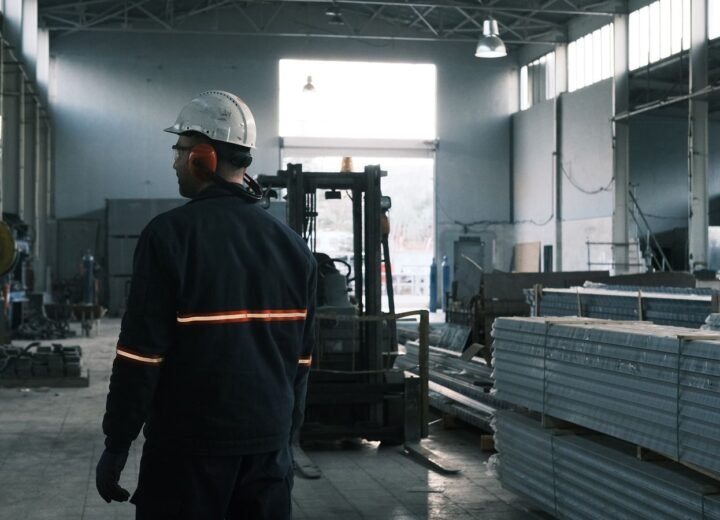
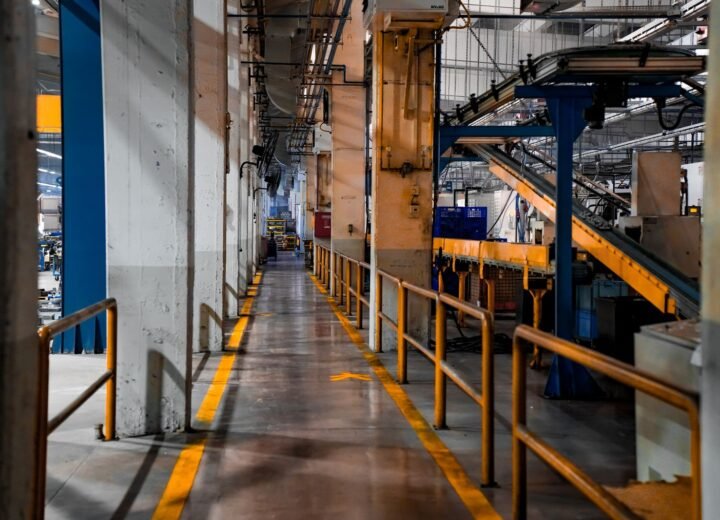
Five S guidance is usually written with clean assembly halls in mind. In cement plants, steel works, foundries, forging shops, ceramics units and mines, conditions are very different. Dust settles again within hours, heat makes every task tiring, labels fade or burn, and areas are large and often outdoors. This guide sets out five hidden challenges of Five S in hot, dusty plants and simple fixes that work in these conditions.
Many heavy industry plants try Five S, see the shop floor dusty again a day later and conclude it does not suit them. The method does apply, but it needs to be adapted to the environment. The fixes below focus on what makes these plants different.
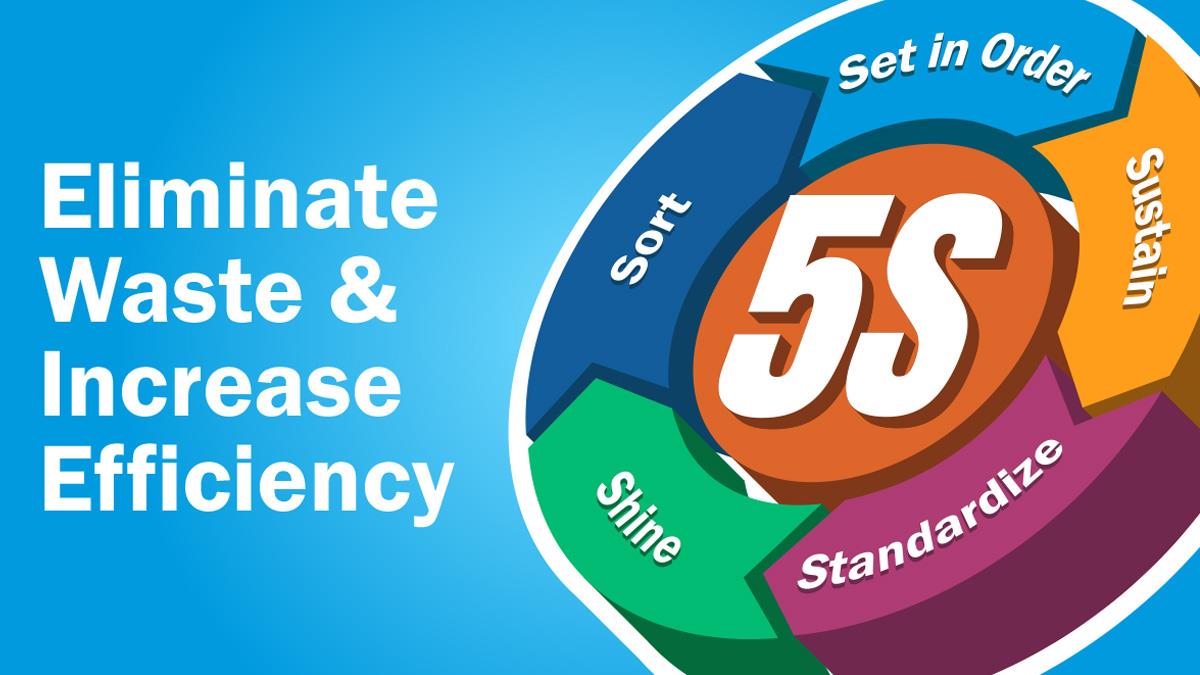
Why is Five S harder in hot, dusty plants?
Five S is harder in hot, dusty plants because the environment works against the standard all the time. Dust from raw materials, kilns, furnaces, grinding and conveyors settles constantly. Heat from processes and climate makes physical work tiring and limits how long people can spend on extra tasks.
Equipment in these plants is often large, spread over wide areas and exposed to weather. Standard labels, paint and tape wear out quickly. Cleaning near hot or moving equipment carries real safety risks.
None of this means Five S should be abandoned. It means the method must focus more on sources of dirt, durable visual tools, realistic routines and safety than it would in a clean, indoor plant.
| Hidden challenge | What happens | Simple fix |
|---|---|---|
| 1. Dust returns quickly | Cleaning feels pointless within hours | Tackle sources and set cleaning frequency by zone |
| 2. Heat makes routines tiring | Checks and resets are skipped | Short routines timed for cooler periods |
| 3. Labels and markings fade | Visual standard disappears | Durable, heat-resistant materials |
| 4. Large, spread-out areas | No one owns the space between units | Clear zone ownership and fixed storage bays |
| 5. Cleaning near hot or moving equipment | Risk of burns and injuries | Safe cleaning standards with isolation |
Challenge 1: How do you deal with dust that keeps coming back?
The first challenge is dust that returns soon after cleaning. In these plants, cleaning alone will never keep up. The fix is to treat dust as a problem to remove at the source, which is what the shine step of Five S is meant to do.
Walk each area and list where dust comes from: transfer points on conveyors, leaking seals, open chutes, damaged covers, poorly maintained dust collectors. Fix the biggest sources first with covers, seals, skirting or repairs. Each source removed reduces cleaning for good.
Set different cleaning frequencies for different zones. Areas near major sources may need cleaning every shift, while quieter areas need it less often. A realistic standard that matches conditions is better than an ideal one nobody can keep.
Challenge 2: How do you keep routines going in high heat?
The second challenge is heat. Physical tasks are tiring in hot conditions, and people understandably skip anything that feels optional. Extra effort in high heat can also carry health risks, which managers must take seriously.
Keep Five S routines short and focused. Time them for cooler parts of the shift where possible, such as the start of a morning shift. Provide shaded or ventilated stations for tools and materials, so reaching them is not an extra burden.
Plants should also follow their own guidance on occupational heat stress, including rest breaks and water. Five S should never add risk to people working in heat.
Challenge 3: What do you do when labels and markings fade?
The third challenge is that standard visual tools do not last. Paper labels curl and burn, floor tape lifts, and ordinary paint disappears under dust and heat. When visual signals fade, the standard fades with them.
Use materials suited to the environment: metal or engraved tags, heat-resistant paint, embedded floor markings, and signs mounted above dust level where possible. Colour coding should be bold and simple so it stays readable when partly covered.
Include visual tools in the maintenance plan. Checking and renewing markings and labels on a schedule keeps them working, rather than waiting until they are unreadable.
Challenge 4: How do you organise large, spread-out areas?
The fourth challenge is scale. Heavy industry plants often cover large sites with outdoor yards, long conveyor routes and wide gaps between units. The spaces in between often belong to nobody, so scrap, spares and old equipment collect there.
Divide the site into clearly defined zones, each with a named owner. Mark fixed storage bays for spares, scrap, consumables and tools, and keep everything else out of open areas. Use maps at key points so people can see zones and owners.
Start sorting in the forgotten spaces. Removing old equipment, scrap and unused materials from yards and corners often frees large areas and improves safety for vehicle and pedestrian traffic.
Challenge 5: How do you clean safely around hot or moving equipment?
The fifth challenge is safety during cleaning. Cleaning near kilns, furnaces, hot pipes, conveyors and rotating equipment carries risk of burns, entanglement and falls. Five S must never encourage people to clean while equipment is running or hot.
Write safe cleaning standards for each piece of equipment, stating when it can be cleaned, what isolation is needed and what protective equipment to use. Follow the plant’s lockout-tagout procedures for any cleaning that requires access to moving parts.
Where possible, design out the need for risky cleaning. Guards that keep material out, spill trays, and access platforms make cleaning safer and easier.
But there is a more fundamental question worth asking: is your plant fighting dust with brooms, or with engineering and maintenance?
Brooms only move dust around. Lasting Five S in heavy industry comes from stopping dust at its source and designing the workplace to stay cleaner.
Which industries face these challenges most?
Cement, steel, foundry, forging, ceramics, glass, mining, fertiliser and some chemical plants face these challenges most strongly. Many are located in hot regions, which adds to the difficulty.
Each industry has its own specific sources of dust and heat, but the fixes are similar: focus on sources, adapt routines to conditions, use durable visual tools, organise large areas into owned zones and make cleaning safe.
How does Five S connect with equipment care in these plants?
In heavy industry, Five S and equipment care are closely linked. Cleaning is a form of inspection: as teams clean, they find leaks, loose bolts, worn parts and damaged guards. Recording and fixing these problems improves both cleanliness and reliability.
A 5S and TPM programme brings these together, so the shine step feeds directly into maintenance. The Five S overview describes the method in more detail, and the surprising facts of Five S post explains benefits that apply in heavy industry too.
How should you start Five S in a heavy industry plant?
Start with an area where dust or clutter clearly affects safety or production, such as a conveyor transfer point, a maintenance bay or a raw material yard. Involve the operators, maintenance staff and safety team together, because the fixes often need all three.
Begin with sorting the area and listing every source of dust, spillage and heat exposure. Fix the simplest sources quickly to show progress, and plan the larger ones with maintenance. Agree a realistic cleaning frequency and a short routine for the zone, then take photos of the agreed standard.
Review the area after a few weeks. If the standard is holding, extend the approach to the next zone. If it is not, look again at the sources and the routine before moving on.
What role do leaders play in hot, dusty plants?
Leaders set the tone by walking the plant, including the hottest and dustiest areas, not just control rooms and offices. When senior people see conditions for themselves, they are more likely to fund source fixes and protect time for routines.
Leaders should also make it clear that safety comes first. No one should be expected to clean hot or running equipment to meet a Five S target. Supporting the team on this point builds trust and makes the method sustainable.
Frequently asked questions
Is Five S worth doing in a cement or steel plant?
Yes, if adapted to the conditions. Focusing on dust sources, safety and durable visual tools makes Five S practical and useful in heavy industry.
How often should dusty areas be cleaned?
It depends on the zone. Areas near major dust sources may need cleaning every shift, while others need less. Set frequencies based on conditions and review them as sources are fixed.
What materials work best for labels in hot plants?
Metal or engraved tags, heat-resistant paint and signs mounted above dust level usually last longer than paper labels or standard tape.
Who should own Five S in large outdoor areas?
Divide the area into zones, each with a named owner, and mark fixed storage bays so nothing is left in open spaces without a purpose.
Conclusion: Five S that works in hot, dusty plants
Five S can work in hot, dusty plants when it is adapted to the environment. Stop dust at the source, keep routines short and safe in heat, use durable visual tools, give every zone an owner and make cleaning safe around hot and moving equipment. With these simple fixes, Five S becomes a practical way to run heavy industry plants, not just a cleaning drive that fades by the next shift.