Lean consultants and in-house improvement teams can both deliver results, but they bring different strengths. Lean consultants offer outside perspective, broad experience and dedicated capacity for a defined period. In-house teams offer deep knowledge of the plant, continuity and lower long-term cost. Five essential differences, in perspective, speed, cost, continuity and capability, help leaders decide which mix suits their plant, and why the strongest results often come from combining the two.
When manufacturing leaders decide to accelerate improvement, one of the first questions is whether to build the capability internally or bring in lean consultants. The answer is rarely all one or the other. Each option has clear advantages and real limitations, and the right choice depends on where the plant is today, how quickly it needs results and what it wants to look like in a few years.
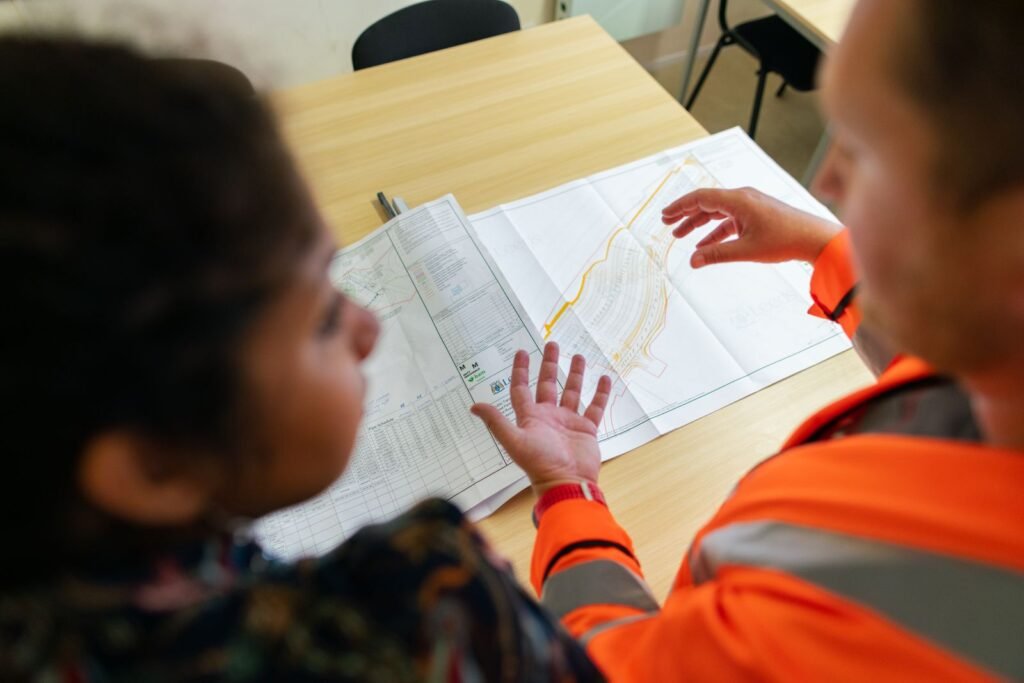
What do lean consultants bring compared with in-house teams?
Lean consultants bring experience from many plants and industries, proven methods for applying lean manufacturing and dedicated time to focus on change. In-house teams bring knowledge of the plant’s products, people, history and culture, and they stay after any project ends. Both can drive improvement; they simply do it from different starting points.
What are the 5 essential differences between lean consultants and in-house teams?
| Difference | Lean consultants | In-house teams |
|---|---|---|
| 1. Perspective | Fresh eyes and cross-industry experience | Deep knowledge of the plant and its history |
| 2. Speed of start | Can start quickly with proven methods | May need time to build skills and methods |
| 3. Cost profile | Higher short-term cost for a defined period | Ongoing salary cost, lower over the long term |
| 4. Continuity | Present for the engagement, then step back | Present every day, year after year |
| 5. Capability building | Can train and coach internal people | Becomes the long-term home of capability |
Difference 1: How does perspective differ?
People inside a plant often stop seeing its problems, because long routes, workarounds and frequent stops become normal. Lean consultants see the plant without these habits and can compare it with many others. In-house teams, by contrast, understand why things are the way they are, which helps them design solutions that fit. The best results usually come when fresh eyes and deep knowledge work side by side.
Difference 2: Which option starts faster?
Lean consultants can usually start quickly, because they bring tested methods, templates and experience of similar situations. An in-house team built from scratch may need months to develop skills, define methods and gain credibility. If the plant faces urgent pressure, such as a major customer issue or a capacity crunch, lean consultants can often speed up the first phase.
Difference 3: How do costs compare?
Lean consultants involve a higher cost for a defined period. In-house teams involve ongoing salary and training costs but no external fees. Over several years, a strong in-house team is usually more economical. In the short term, lean consultants may deliver faster returns that help fund the in-house capability. Comparing total cost against expected outcomes, rather than fees alone, gives a fairer picture.
But there is a more fundamental question worth asking: is the plant choosing between lean consultants and an in-house team, or deciding how one should hand over to the other?
Difference 4: Why does continuity matter?
Improvement is never finished. Lean consultants are present for the length of an engagement and then step back. In-house teams are present every day, which allows them to sustain routines, refresh standards and respond to new problems. Without continuity, gains made during an engagement can fade. This is why any work with lean consultants should include a clear plan for handover to internal owners.
Difference 5: Where does capability live?
Lean consultants can build capability by training and coaching internal people, but the capability must ultimately live inside the organisation. In-house teams become the long-term home of skills, methods and routines. The most effective engagements use lean consultants to accelerate the development of internal coaches, so that the plant becomes self-sufficient over time.
When do lean consultants make the most sense?
Lean consultants make the most sense when the plant needs results quickly, lacks experience in large-scale change, has tried internally without lasting success, or wants to build an internal team faster with expert coaching. They are also useful for specific, complex challenges, such as redesigning flow for a new product line or restructuring the daily management system.
When does an in-house team make the most sense?
An in-house team makes the most sense when the plant already has some improvement experience, leaders have time to drive change, and the organisation wants a permanent capability that grows over years. It is also the natural owner of daily routines, such as a structured daily work management system, which must continue every day regardless of outside support.
How can lean consultants and in-house teams work together?
The strongest model combines both. Lean consultants lead the early diagnosis and pilot alongside a small internal team. As the work spreads, internal people take on more of the leadership, with lean consultants coaching rather than doing. By the end of the engagement, the in-house team owns the methods, routines and results, and the plant can continue improving on its own.
To make this work, agree from the start who the internal leaders will be, how much of their time will be dedicated and how responsibility will shift during the engagement. Review progress on capability as well as results.
What are the common mistakes when choosing between the two?
A common mistake is relying entirely on lean consultants without building internal capability, which leaves the plant dependent and vulnerable when the engagement ends. Another is expecting a new in-house team to deliver fast results without experience or support. A third is setting up an internal team but giving it no authority or leadership backing, so it becomes a reporting function rather than a driver of change.
What skills should an in-house improvement team have?
An effective in-house team needs a mix of technical, people and leadership skills. Technically, its members should understand flow, standard work, root-cause problem-solving and simple data analysis. On the people side, they need to coach, facilitate workshops and explain methods in plain language to operators and managers alike.
Leadership skills matter too. In-house coaches must influence without formal authority, challenge senior leaders respectfully and keep improvement linked to business priorities. Many of the best coaches come from production or engineering roles, because they already have credibility on the shop floor.
Developing these skills takes time. Rotating promising supervisors and engineers through improvement roles for a year or two, with structured coaching, builds a pipeline of people who can lead change and later carry that experience back into line leadership.
How do you decide the right balance for your plant?
Start with three questions. How urgent is the need for results? How much improvement experience already exists in the plant? How much leadership time is available to drive change? If results are urgent and experience is limited, lean consultants can provide a faster start, provided capability transfer is built in from day one.
If experience exists and leaders have time, a stronger in-house team may be enough, perhaps with occasional outside coaching for specific challenges. Many plants revisit the balance over time, relying more on outside support at the start and less as internal capability grows.
Whatever the balance, write it down. A one-page plan showing who leads improvement, how outside support will be used, which capabilities will be built and how responsibility will shift over the next year keeps everyone aligned. It also gives leaders a simple reference when priorities change, budgets are reviewed or new people join the team. Revisiting the plan every six months ensures it still reflects the plant’s needs and its growing internal strength.
A written plan also makes it easier to explain the approach to new leaders, so the direction does not change each time people move roles.
Frequently asked questions about lean consultants and in-house teams
Can we build an in-house team without lean consultants?
Yes, especially if the plant already has experienced people. Lean consultants mainly help to speed up the process and avoid common mistakes.
How large should an in-house improvement team be?
It depends on the size of the plant, but most plants start with a small team of coaches who support line leaders rather than a large central department.
How do we avoid dependence on lean consultants?
Agree capability goals at the start, make internal people lead the work with consultant coaching and plan a gradual handover of routines and responsibility.
Choosing the right mix for your plant
Lean consultants and in-house teams differ in perspective, speed, cost, continuity and where capability lives. Neither is better in every situation. The strongest approach often uses lean consultants to accelerate the start and build internal capability, then hands ownership to an in-house team that sustains and extends the results. Understanding how a structured operational excellence approach supports that handover is a useful step for leaders weighing their options.