The right questions reveal more about manufacturing consulting firms than any brochure. Ten essential questions, covering the team, the approach, measurement, capability, risk and what remains afterwards, help leaders test whether a firm understands their plant, can deliver results that last and will leave their people stronger. Asking them early, and comparing answers side by side, makes the final choice clearer and easier to defend to the board.
Most manufacturing consulting firms can present a convincing story. They show credentials, methods and before-and-after charts from other plants. What matters more is how they will work in your plant, with your people and your constraints. Well-chosen questions move the conversation from general claims to specific commitments.
Why ask structured questions before hiring manufacturing consulting firms?
An engagement shapes how your organisation sees improvement for years. Structured questions protect the investment, surface assumptions early and give both sides a shared view of what success looks like. They also make proposals easier to compare, because every firm answers the same points. Leaders who ask the same questions of each firm usually reach a faster, more confident decision.
What are the 10 essential questions to ask manufacturing consulting firms?
1. Who exactly will work in our plant, and for how long?
Ask manufacturing consulting firms for names, experience and time on site for each team member. Strong answers describe people with practical plant experience who will spend most of the engagement on your shop floor. Be wary if the most experienced people appear only in sales meetings.
2. Which plants like ours have you worked with?
Ask manufacturing consulting firms for examples in your sector or with similar processes, product mix and workforce. Look for specific challenges they faced and how they adapted, rather than general claims of experience.
3. How will you diagnose our plant before recommending changes?
Good manufacturing consulting firms observe the work, analyse data and interview people before proposing solutions. Methods such as value stream mapping and direct observation at the constraint are signs of a grounded approach.
4. How will you measure success, and against what baseline?
Ask manufacturing consulting firms how targets will be linked to your business priorities and measured against your own baseline. Strong answers include agreed measures such as capacity, scrap, lead time, delivery or cost, and a clear review schedule.
5. How will our people be involved and developed?
Ask manufacturing consulting firms how supervisors, engineers and managers will take part, how internal coaches will be developed and how responsibility will shift over time. Engagements that minimise internal involvement rarely deliver lasting value.
But there is a more fundamental question worth asking: will the firm’s answers still hold true on a busy Tuesday afternoon on your shop floor, or only in the proposal meeting?
6. How will you adapt your methods to our culture and constraints?
Every plant has its own culture, workforce mix and equipment. Ask for examples of how the firm has adapted its approach, for instance to high-mix production, contract labour, regulated processes or older equipment. A single model applied everywhere is a warning sign.
7. What will remain in place when you leave?
Ask manufacturing consulting firms what routines, standards and ownership will continue after the engagement. Strong answers include a daily management system, such as a structured daily work management routine, leader standard work and named internal owners for each area.
8. How will you handle risks and disruptions to production?
Improvement work must not damage customer deliveries. Ask how the firm will plan changes around production, test new methods safely and manage risks such as quality issues during transitions. Experienced manufacturing consulting firms will have clear answers based on practice.
9. How will progress be reviewed, and how will problems be raised?
Ask about the review rhythm: weekly updates, monthly steering reviews and formal checkpoints. Agree how either side can raise concerns and how the plan will be adjusted if results fall behind. Clear governance prevents small issues from becoming large disputes.
10. Can we speak to clients whose engagements ended a year or more ago?
References from completed engagements show whether results lasted. Ask to speak to the plant head or operations leader, and if possible visit a site. Look for routines still running and internal people still leading improvement.
How should you score the answers?
Create a simple scoring sheet with the ten questions, and rate the manufacturing consulting firms on evidence rather than presentation. Give extra weight to questions 1, 5 and 7, because the on-site team, capability building and sustainability decide whether results last. Discuss scores as a leadership team before comparing fees. This keeps the decision focused on value rather than price alone.
What should happen after the questions?
Shortlist two firms and invite each to propose a small first step, such as a diagnostic or a pilot in one area. Use this step to see how each firm works in practice: how it observes, asks questions and engages with your people. The experience of working together for a few weeks often makes the final decision obvious.
Which answers should concern you most?
Some answers deserve particular attention. Be concerned if a firm cannot name the people who will work in your plant, or if the experienced team members appear only during the sales process. Be cautious if detailed solutions are proposed before any diagnosis, because they may reflect a standard package rather than your needs.
Vague answers on measurement are another warning sign. If a firm cannot explain how success will be measured against your baseline, results may be hard to verify later. The same applies to capability building: a firm that plans to do most of the work itself is unlikely to leave your organisation stronger.
Finally, watch for reluctance to share references from completed engagements. Firms confident in their lasting results are usually happy to connect you with past clients.
How do you involve your own team in the selection?
The people who will work with the firm every day should have a voice in choosing it. Include the plant head, a production leader, a maintenance or quality leader and someone from finance in the evaluation. Each brings a different view of what matters, and their involvement builds commitment to the engagement once it starts.
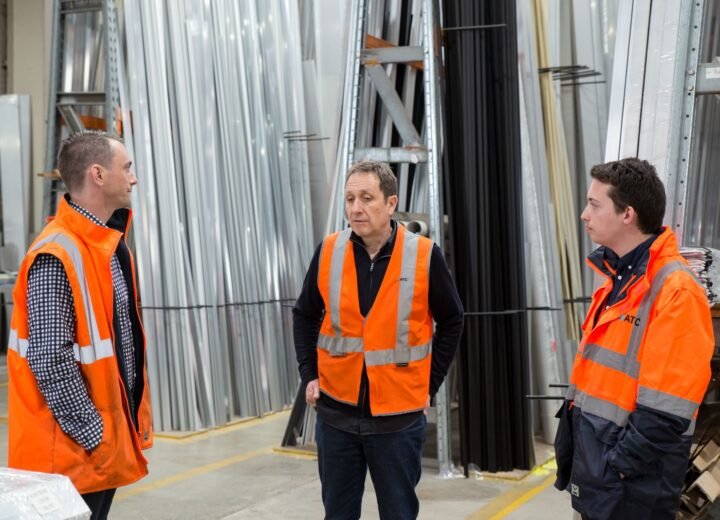
Consider inviting shortlisted firms to spend a few hours on the shop floor with your team. Watching how they observe, ask questions and interact with operators often reveals more than any written proposal. Collect feedback from the people involved and include it in the final scoring.
How do you set the engagement up for success?
Once a firm is chosen, start with a clear kick-off. Explain to the organisation why the work matters, what will change and how people can contribute. Confirm the internal leaders, their time commitment and the pilot area. Agree the first review date and the measures that will be tracked.
During the first weeks, leaders should stay close to the work, visit the pilot area and attend early reviews. Early attention signals that the engagement is a priority and helps resolve small issues before they grow.
Keep the scoring sheet from the selection process. Revisiting it at the first major review shows whether the firm is delivering on the commitments it made when answering your ten questions.
Over the course of the engagement, the same questions remain useful. Asking them again at each major review keeps manufacturing consulting firms accountable and helps leaders spot early if the work is drifting away from what was agreed.
They also help when the engagement ends. A final review against the ten questions, covering what was promised, what was delivered and what remains in place, gives the leadership team a clear record of value and useful lessons for choosing partners in future. Sharing that review openly with the teams involved also shows them that their effort produced results worth recognising. Used this way, the ten questions become more than a selection tool; they become a simple framework for managing manufacturing consulting firms from the first meeting to the final handover.
Frequently asked questions about manufacturing consulting firms
Should all ten questions be asked in the first meeting?
Not necessarily. Use the first meeting for questions about the team, experience and diagnosis, and cover the rest in follow-up discussions and the written proposal.
What if a firm cannot answer some questions?
Some answers depend on the diagnosis, which is reasonable. But a firm that cannot explain its general approach to capability building or sustainability is unlikely to deliver lasting results.
Should we share our scoring with the firms?
Sharing the criteria, though not the scores, helps firms focus their proposals on what matters to you and leads to better, more comparable responses.
Asking the questions that matter
Ten essential questions help leaders compare manufacturing consulting firms on what really matters: the team, relevant experience, diagnosis, measurement, people development, adaptation, sustainability, risk, governance and lasting results. Asking them carefully leads to better choices and stronger engagements. Exploring how a structured operational excellence approach addresses each point is a sensible preparation step.