In many organizations, performance discussions focus on strategy, leadership, or technology. Yet one powerful factor is often overlooked the physical workspace. The environment where people work every day silently influences how teams collaborate, focus, and solve problems.
A well-designed workspace does more than look attractive. It supports productivity, improves communication, and helps teams perform at their best.
Let’s explore how the physical workspace directly impacts team performance.
1. Layout Influences Collaboration
The way a workspace is arranged determines how easily people interact with one another. When teams sit too far apart or are separated by barriers, communication slows down.
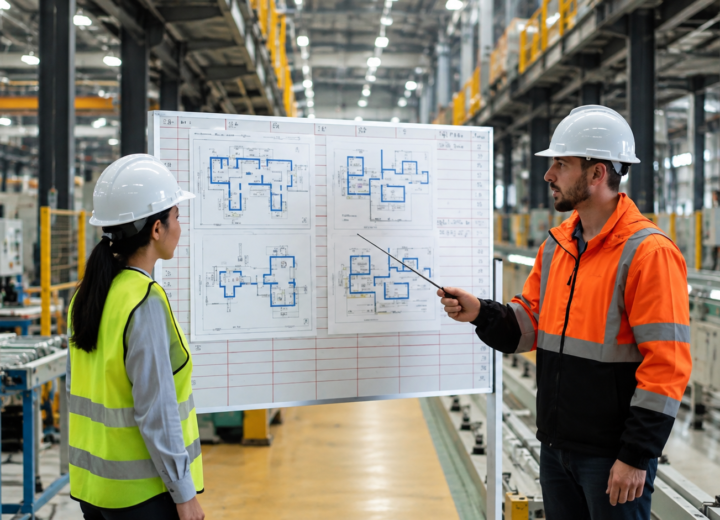
For example, in many manufacturing plants, supervisors and operators work close to the production area. This allows quick discussions and faster problem-solving. In contrast, when teams are isolated in separate rooms, even small issues take longer to resolve.
Simple changes such as shared team tables, open discussion areas, or visual boards can make collaboration much smoother.
2. Noise and Distractions Affect Focus
While collaboration is important, teams also need spaces where they can concentrate.
Constant noise, interruptions, and movement in the workspace can reduce focus and increase fatigue. Employees may take longer to complete tasks or make more errors.
A balanced workspace design includes:
-
Quiet zones for focused work
-
Meeting spaces for discussions
-
Open areas for collaboration
This balance helps teams switch between deep work and teamwork without losing efficiency.
3. Visual Management Improves Clarity
High-performing teams often rely on visual communication within their workspace.
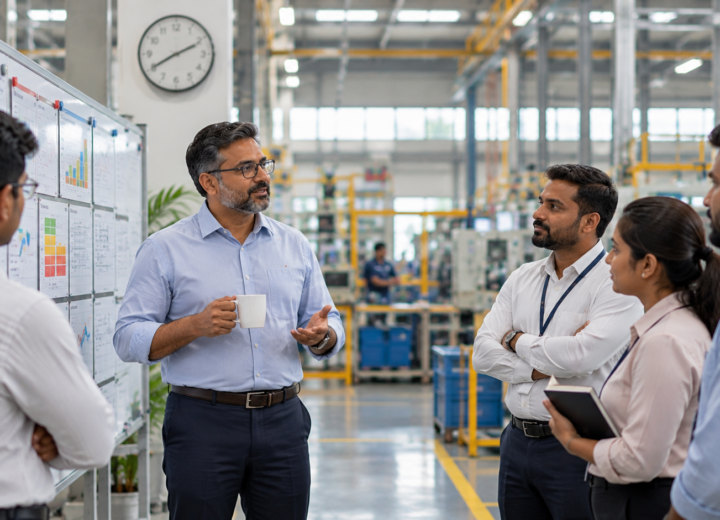
Dashboards, progress boards, daily targets, and process charts placed in visible areas help everyone stay aligned. Instead of searching through emails or reports, team members can quickly understand the current status.
For instance, many factories use visual boards to track daily production targets. When a problem appears, the team can immediately identify the gap and act quickly.
A workspace that communicates visually reduces confusion and improves accountability.
4. Comfort Impacts Energy and Morale
Lighting, temperature, seating, and air quality may seem like small details, but they strongly influence how people feel at work.
Poor lighting or uncomfortable seating can lead to fatigue, headaches, and reduced concentration. Over time, this affects productivity and morale.
On the other hand, a comfortable workspace:
-
Keeps employees energized
-
Reduces physical strain
-
Improves overall engagement
When people feel comfortable in their environment, they naturally perform better.
5. Proximity Speeds Up Decision-Making
When team members, managers, and support functions are physically close, decisions happen faster.
For example, if maintenance, production, and quality teams are located near each other, they can quickly discuss issues on the shop floor. This prevents delays and keeps operations running smoothly.
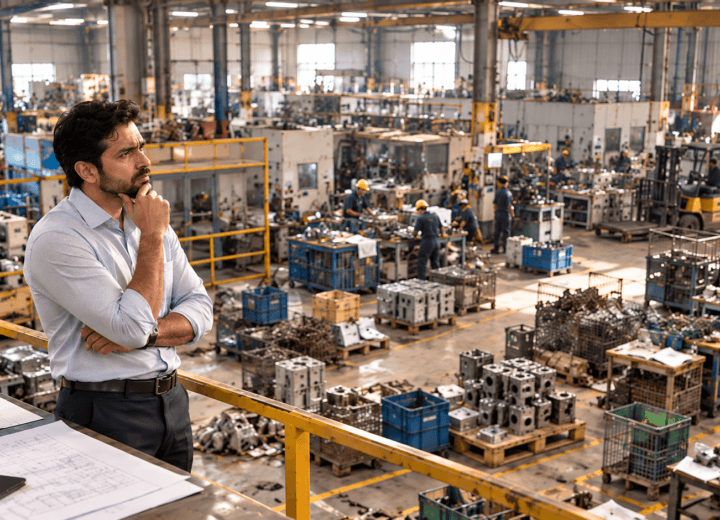
Many organizations practice “Go to the workplace” thinking, where leaders regularly visit the actual work area to understand problems firsthand. This approach strengthens teamwork and speeds up solutions.
6. The Workspace Reflects the Organization’s Culture
The physical environment often mirrors the culture of the organization.
A workspace filled with clutter, unclear signage, and poor organization can create confusion and frustration. In contrast, a clean, structured, and well-organized environment encourages discipline and ownership.
Simple practices such as organized workstations, labeled tools, and clean common areas send a clear message: quality and efficiency matter here.
The physical workspace is more than just an office or factory floor. It is a powerful driver of team behavior and performance.
When organizations thoughtfully design their workspace, they create an environment that supports collaboration, focus, faster decisions, and higher productivity.
Sometimes, improving performance does not begin with a new strategy—it begins with rethinking the space where the work happens every day.