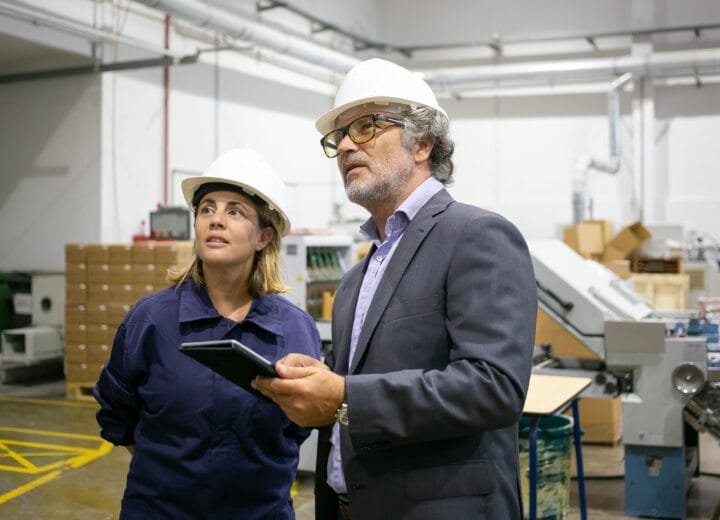
In the current industrial climate of 2026, achieving a competitive edge requires more than just incremental changes; it demands a radical reimagining of how work flows through a facility. Many organizations find themselves trapped by legacy layouts and traditional batch-processing mindsets that mask significant inefficiencies. To break these patterns, forward-thinking leaders are increasingly turning to data-driven diagnostic tools. This exploration focuses on how the systematic application of flow principles, guided by expert insights, transforms fragmented operations into cohesive, high-performance systems.
Why Should Modern Enterprises Engage Specialized Value Stream Mapping Consultants?
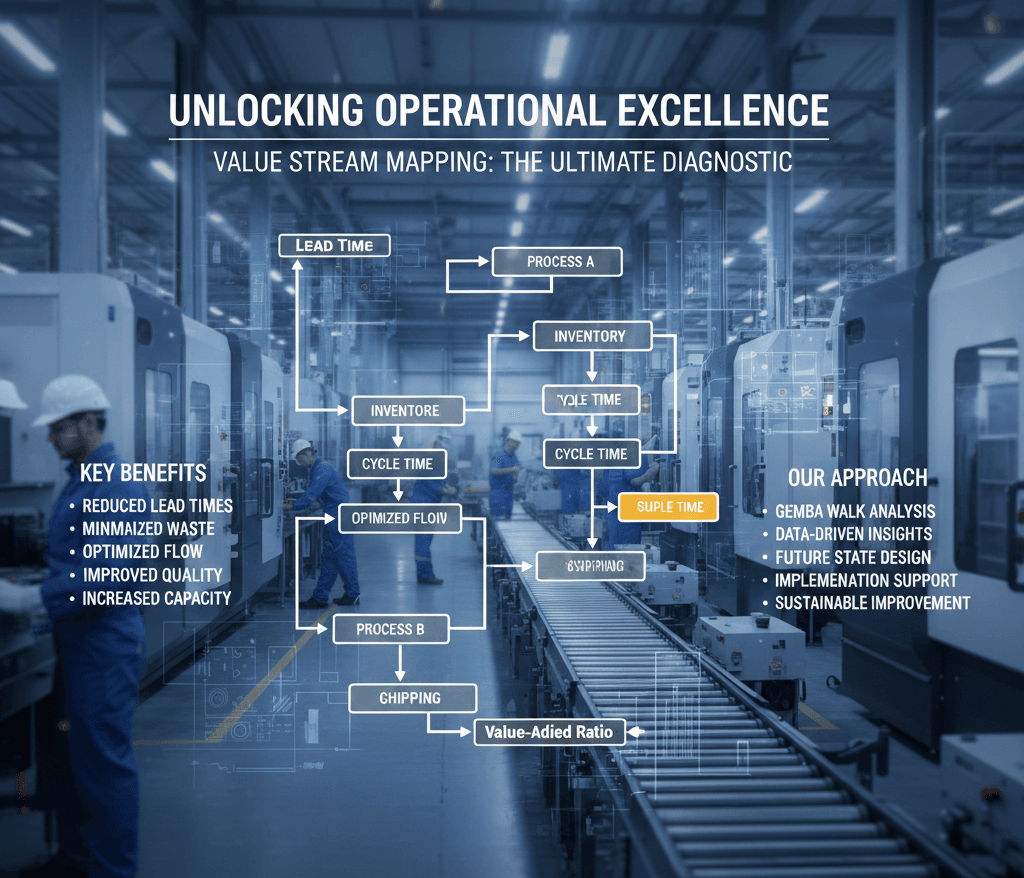
The primary challenge in any large-scale operation is “seeing” the waste that has become part of the daily furniture. Value stream mapping consultants act as the objective eyes of an organization, identifying bottlenecks that internal teams often overlook. By conducting a thorough value stream analysis, these experts map the journey of a product from the moment a customer places an order to the final shipment.
Expert intervention is particularly critical when organizations face high lead times despite having state-of-the-art machinery. The disconnect often lies not in the speed of the machines, but in the “dead time” between them. In many facility design scenarios, products spend a staggering amount of time sitting as stagnant inventory. Statistics derived from lean facility optimizations show that it is common to find that value-added time, the actual time a product is being transformed, represents less than 5% of the total production lead time. The remaining 95% is consumed by waiting, moving, and re-handling. A specialized consultant uses the lean methodology to expose these ratios, providing a quantitative baseline for process improvement.
How Do VSM Consultants Redesign Facility Layouts to Achieve Operational Excellence?
A core component of productivity improvement involves the physical restructuring of the production floor. VSM consultants often discover that historical facility growth has led to “spaghetti” flows, where materials travel vast, unnecessary distances. In specific instances of facility redesign, it was found that raw materials and components traveled over 2,000 feet from start to finish due to departmental silos.
By implementing a “Future State” map, these consultants can orchestrate a transformation that reduces material travel by more than 60%. In one notable optimization, the total travel distance was compressed from 2,300 feet to just 850 feet. This is achieved by moving away from functional layouts (grouping like-machines together) and toward cellular manufacturing (grouping machines by product flow).
The results of such a shift are multifaceted:
- Reduced Forklift Traffic: Lowering the risk of accidents and reducing energy consumption.
- Lower Work-in-Process (WIP): Moving machines closer together naturally limits the space available for inventory buildup.
- Improved Communication: Operators working in a cell can communicate instantly, resolving quality issues at the source rather than discovering them days later in a warehouse.
What Role Do Comprehensive VSM Consulting Services Play in Reducing Lead Times?
Lead time is the ultimate metric of agility. Through VSM consulting services, organizations can identify the specific “hand-off” points where delays occur. In unoptimized environments, a product might take 14 to 15 days to move through the facility. By applying lean flow principles, consultants have demonstrated the ability to slash these lead times by 70% or more.
In one specific transition, a facility managed to reduce its total throughput time from 12 days down to a mere 3 days. This was not achieved by making employees work faster, but by eliminating the “touches” and queues that plagued the old system. Manufacturing optimization at this level involves synchronizing the “Takt time” (the rate of customer demand) with the cycle times of each individual process.
When the flow is balanced, the need for large safety stocks disappears. This frees up significant liquid capital that was previously “frozen” on the shop floor. For many enterprises, a 40% reduction in WIP inventory provides the necessary cash flow to reinvest in further operational excellence initiatives or new product development.
How Can Strategic Value Stream Mapping Services Optimize Space and Resource Utilization?
One of the most overlooked benefits of value stream mapping services is the reclaiming of floor space. As consultants eliminate excess inventory and redundant workstations, they often uncover “hidden” capacity within the existing building footprint.
In several facility redesign projects, the systematic removal of waste allowed organizations to reclaim 20% to 30% of their usable floor space. Instead of investing in expensive facility expansions, these companies were able to integrate new product lines into their existing buildings. This optimization also extends to labor. By creating U-shaped cells and balancing workloads, the number of operators required to manage a process can often be reduced by 25% to 30% while maintaining the same, or higher, output levels. These human resources can then be redeployed to high-value tasks, such as quality auditing or continuous improvement projects.
Why Is Lean VSM Consulting the Catalyst for a Sustained Continuous Improvement Culture?
The technical changes provided by lean VSM consulting are powerful, but their longevity depends on the people involved. Consultants focus on the “Gemba” approach, engaging with the workforce on the actual floor where the value is created. By involving operators in the mapping process, the “Future State” becomes a collective goal rather than a management directive.
When employees participate in a value stream analysis and see that a proposed change will reduce their physical strain or eliminate a frustrating bottleneck, they become advocates for change. This cultural shift is essential for productivity improvement. In facilities that embrace this mindset, the scrap and rework rates often drop significantly. For example, moving to a flow-based system can reduce defects by up to 15%, as issues are identified immediately within the cell rather than after a massive batch has been completed.
How Does a Lean Value Stream Mapping Consultant Integrate Industry 4.0 Technologies?
As we progress through 2026, the intersection of lean and digital is unavoidable. A lean value stream mapping consultant ensures that technology is used to solve real problems rather than just adding complexity. Using VSM software tools, consultants can create “digital twins” of the production process to simulate the impact of various changes before they are physically implemented.
Integrating VSM with Industry 4.0 involves:
- Real-Time Data Collection: Using sensors to track actual cycle times and downtime.
- Automated Visual Management: Dashboards that show the current status of the value stream against the target Takt time.
- Predictive Maintenance: Identifying when a machine in a critical value stream is likely to fail, preventing costly unplanned downtime.
This digital layer ensures that the gains made during the initial VSM exercise are not lost over time. It provides a level of transparency that allows for “micro-adjustments” to the flow, ensuring the facility stays optimized even as product mixes and volumes change.
FAQs
What are the primary benefits of hiring value stream mapping consultants?
The benefits of hiring value stream mapping consultants include an objective analysis of your current state, the identification of hidden wastes, and a significant reduction in operational costs. Consultants provide the expertise needed to implement lean methodology effectively, ensuring that the changes are sustainable and data-driven.
Are there VSM consulting services for manufacturing industries with high product variety?
Yes, VSM consulting services for manufacturing industries are particularly effective for high-variation environments. By grouping products into “families” based on shared processes, consultants can simplify complex workflows and implement flexible cellular layouts that handle variety without sacrificing efficiency.
How do VSM consultants help reduce lead time and process waste?
When organizations ask how VSM consultants help reduce lead time and process waste, the answer lies in the elimination of non-value-added time. By reducing material travel (often by over 60%) and implementing pull systems, they can compress lead times from weeks to days, directly attacking the “eight wastes” of lean.
What are the standard VSM implementation steps for lean transformation?
The VSM implementation steps for lean transformation typically involve: defining the product family, creating the Current State Map through a Gemba walk, analyzing the data to identify waste, designing the Future State Map, and executing a Kaizen plan to achieve the target state.
How does lean VSM consulting for continuous improvement culture-building work?
Lean VSM consulting for continuous improvement culture building works by involving shop-floor employees in the mapping process. This visibility empowers workers to suggest improvements, transforming operational excellence from a one-time project into a permanent organizational mindset.
What is the value of VSM integration with Industry 4.0 for real-time insights?
VSM integration with Industry 4.0 for real-time insights provides managers with an up-to-the-minute view of their value stream. By digitizing the map, companies can identify bottlenecks as they occur and use predictive analytics to maintain a steady flow, ensuring that the facility remains at peak manufacturing optimization.