Five s methodology is often mistaken for housekeeping. Many leaders see 5S as a cleaning drive: tidy the shop floor, paint the lines, take some photos and move on. When the area slips back a few months later, they conclude that 5S does not work. This guide explains five simple differences between the five s methodology and ordinary housekeeping, and why the difference matters for safety, quality and productivity.
The confusion is understandable. Both involve cleaning and tidying, and both make a plant look better. But housekeeping is mainly about keeping places clean, while 5S is a structured method for organising a workplace so that problems become visible and work flows with less waste.
What is the difference between five s methodology and housekeeping?
The main difference between five s methodology and housekeeping is purpose. Housekeeping aims to keep an area clean and presentable. The five s methodology aims to create a workplace where everything needed is in its place, abnormal conditions are obvious and the standard is maintained by the people who work there every day.
The five steps of 5S, sort, set in order, shine, standardise and sustain, go well beyond cleaning. Sorting removes what is not needed. Setting in order designs where things go. Shining includes inspection. Standardising and sustaining make the result last.
| Difference | Housekeeping | Five S methodology |
|---|---|---|
| 1. Purpose | Clean and presentable area | Organised workplace that exposes problems |
| 2. Ownership | Cleaning staff or periodic drives | The people who work in the area |
| 3. Standards | General expectation of tidiness | Defined, visual standard for each area |
| 4. Approach to dirt and clutter | Remove it | Find and fix the source |
| 5. Results | Better appearance | Less searching, fewer errors, safer work |
Difference 1: Is the goal a clean area or a better way of working?
The first difference is purpose. Housekeeping succeeds when an area looks clean. The five s methodology succeeds when the area supports better work: tools are easy to find, material is in the right place, machines are inspected and problems are noticed early.
A clean area can still hide waste. Tools may be stored neatly but far from where they are used. Shelves may look tidy but hold items nobody needs. 5S asks whether each item should be there at all, and where it should be to make work easier.
This is why 5S is often described as the foundation for other lean methods. A well-organised workplace makes it easier to standardise work, reduce changeover time and improve equipment care.
Difference 2: Who owns the area?
The second difference is ownership. In many plants, housekeeping is done by cleaning staff or during occasional drives before an audit or a visit. Operators may not feel responsible for the condition of their area.
In the five s methodology, the people who work in an area own it. They decide what is needed, where it goes and how it should look. They keep it at standard as part of their daily work, with a short routine at the end of each shift.
Ownership changes behaviour. When operators have designed their own area, they are far more likely to keep it that way and to notice when something is wrong.
Difference 3: How is the standard defined?
The third difference is the standard. Housekeeping usually relies on a general sense of what clean and tidy means. Different people have different views, so results vary by shift, supervisor and day.
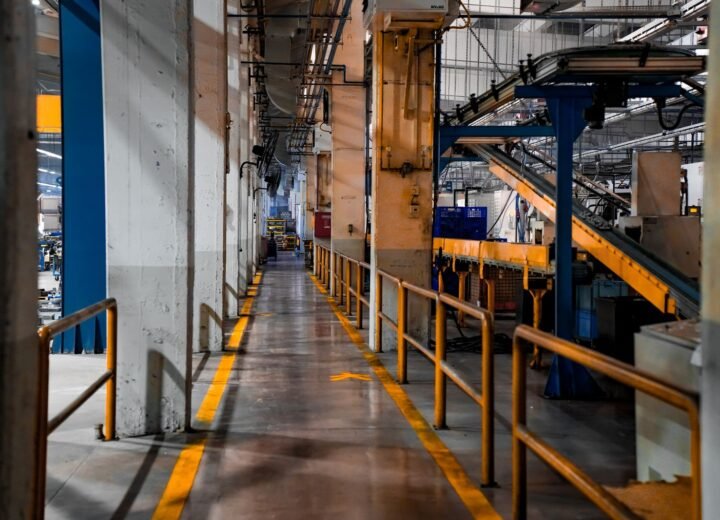
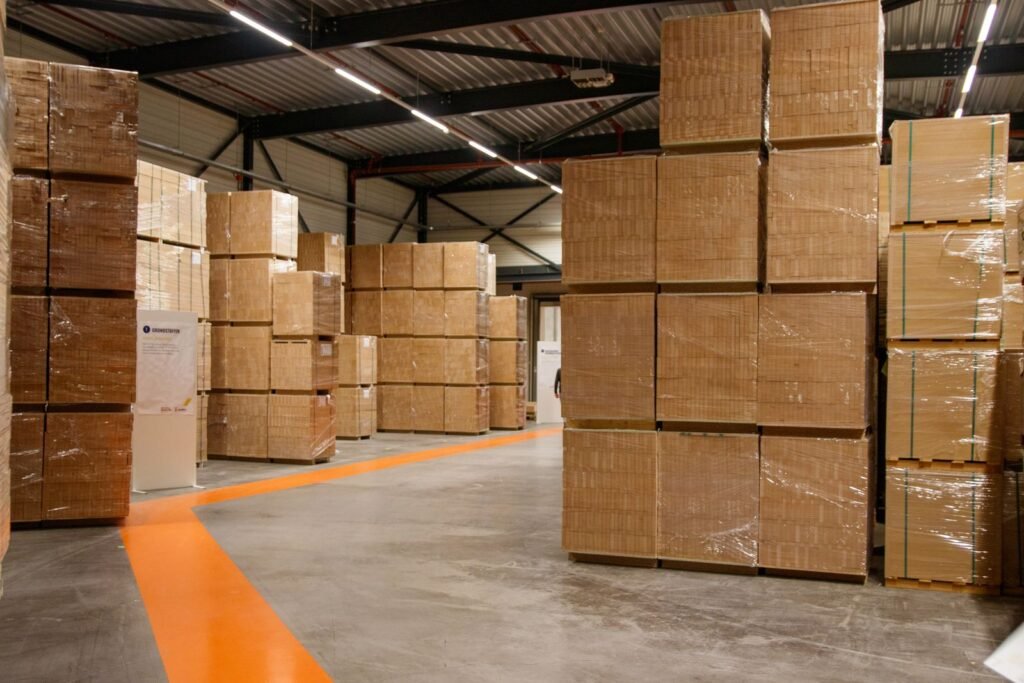
The five s methodology defines a specific standard for each area, often with photos, labels, floor marking and checklists. Anyone can compare the area with the standard and see whether it matches.
Clear standards also make audits fair. Instead of debating whether an area is clean enough, the team checks it against the agreed standard and fixes the gaps.
Difference 4: Removing dirt or removing its source?
The fourth difference is how dirt and clutter are treated. Housekeeping removes them. The five s methodology asks where they come from and works to stop them at the source.
During the shine step, teams clean and inspect equipment at the same time. Leaks, loose parts, worn components and sources of dust or spillage are noted and fixed. Over time, the area needs less cleaning because the causes have been removed.
This makes 5S closely linked to equipment care. Cleaning becomes a form of inspection, and the problems it reveals feed into maintenance and improvement work.
Difference 5: What results should leaders expect?
The fifth difference is the results. Housekeeping improves appearance. The five s methodology aims for practical benefits: less time searching for tools and materials, fewer mix-ups and errors, safer walkways, easier inspection and a workplace where problems are seen quickly.
These benefits show up in daily operations rather than in photos. Shorter searches help changeovers. Clear storage reduces wrong parts. Visible abnormalities lead to earlier action on quality and equipment problems.
Leaders who expect only a cleaner plant often stop once it looks good. Leaders who expect better operations keep going, because the real value comes from sustaining the standard and building on it.
But there is a more fundamental question worth asking: when your plant last ran a 5S drive, did it change how work is done, or only how the area looked on the day?
If the answer is only appearance, the plant has done housekeeping. The five s methodology starts where the clean-up ends.
Why do plants confuse 5S with housekeeping?
Plants often confuse the two because 5S is introduced through a big clean-up event. The visible change is dramatic, so people remember it as cleaning. Standardise and sustain, the steps that make 5S different, are less visible and often skipped.
Another reason is how 5S is measured. If audits focus mainly on cleanliness, teams naturally treat 5S as housekeeping. Audits that also check whether items are in defined places, standards are displayed and abnormalities are being raised give a truer picture.
How do you move from housekeeping to the five s methodology?
Start by explaining the purpose: 5S is about making work easier, safer and more reliable, not just cleaner. Then involve the team in sorting and setting in order their own area, so they design the workplace around their work.
Agree a clear standard with photos and visual signals, set a short daily routine to keep it, and connect the shine step to equipment inspection. Finally, review the standard regularly and raise it as the team improves.
A 5S visual workplace approach links these steps with equipment care and changeover improvement, so 5S becomes part of how the plant runs rather than a periodic clean-up.
Does housekeeping still have a place?
Yes. General cleaning of common areas, washrooms, canteens and building surroundings remains important, and many plants rely on dedicated staff for it. The point is not to replace housekeeping, but to recognise that 5S in work areas is a different, deeper practice owned by the people who do the work.
The two can support each other. Good general housekeeping makes the whole site pleasant and safe, while 5S in each work area makes daily operations more reliable.
What does each 5S step add beyond cleaning?
It helps to look at each step and ask what it adds that ordinary cleaning does not. Sort adds a decision about what the area actually needs, freeing space and removing distractions. Set in order adds design: every item gets a location chosen for how often and where it is used.
Shine adds inspection. While cleaning, teams look for leaks, damage, wear and loose parts, and record what they find. Standardise adds agreement: the team defines what normal looks like, with photos, labels and simple rules.
Sustain adds habit and leadership. A short routine every shift, regular checks by supervisors and visible interest from managers keep the standard alive long after the first effort.
Together, these steps turn a one-time clean into a working system. That system is what separates the five s methodology from housekeeping, and what makes the results last.
Frequently asked questions
Is 5S just a cleaning programme?
No. Cleaning is part of one step, shine. The five s methodology also includes sorting, setting in order, standardising and sustaining, which organise the workplace and make problems visible.
Can housekeeping staff do 5S for operators?
They can help with general cleaning, but 5S in a work area should be owned by the people who work there, because they know what is needed and where it should be.
Why does 5S fade after a clean-up drive?
Usually because standardise and sustain were skipped. Without clear standards, daily routines and regular checks, the area slowly returns to its old state.
How should a 5S audit differ from a housekeeping check?
A 5S audit checks whether items are in defined places, standards are visible, sources of dirt are being addressed and the routine is followed, not only whether the area looks clean.
Conclusion: five s methodology is more than housekeeping
Housekeeping keeps places clean. The five s methodology builds a workplace that is organised, visual and owned by the people who use it, where problems are seen and fixed at the source. Understanding the five differences helps leaders set the right goals and keep 5S going long after the first clean-up. The Five S overview offers more background on the method.