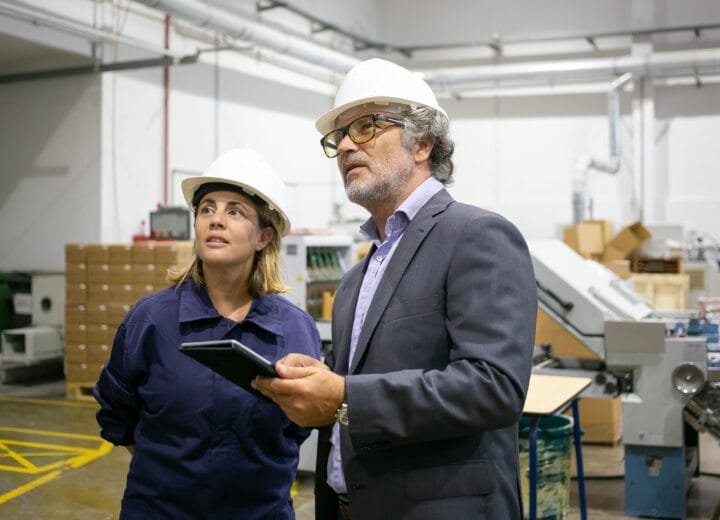
How Value Stream Mapping Consultants Improve Operational Efficiency
In the modern industrial landscape, the pursuit of operational excellence is no longer a luxury; it is a survival requirement. Organizations often find themselves entangled in complex workflows where invisible bottlenecks stifle growth and inflate costs. This is where the strategic intervention of specialized experts becomes invaluable. By dissecting every action from raw material to the finished product, these professionals provide the clarity needed to transform chaotic environments into streamlined powerhouses.
Why Should Your Business Hire Specialized Value Stream Mapping Consultants?
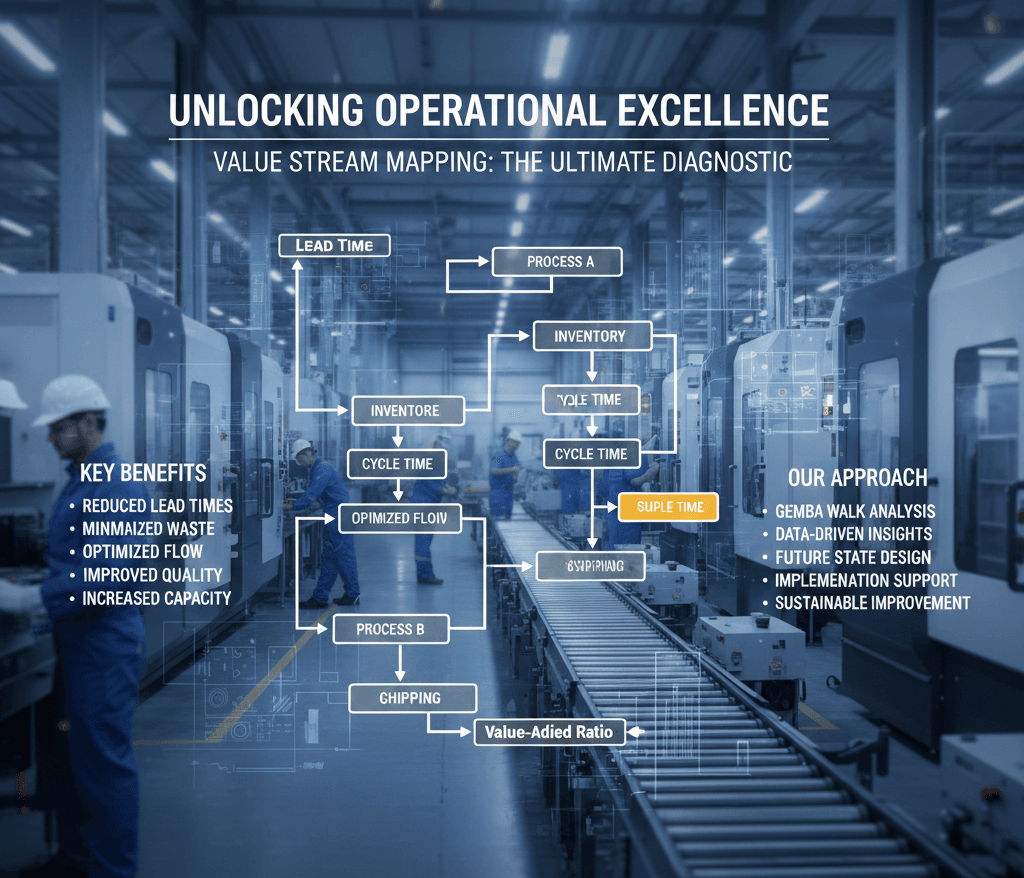
When an organization struggles with stagnant growth or rising overhead, value stream mapping consultants serve as the diagnostic surgeons of the production floor. Their primary objective is to create a visual representation of the entire production process, categorizing every movement, storage period, and processing step into “Value-Added” or “Non-Value-Added” activities.
Through rigorous value stream analysis, these consultants identify the “hidden factory,” the subset of activities that consume resources but provide no benefit to the end customer. In many facility design scenarios, it is common to find that actual value-added time accounts for less than 5% of the total lead time. By mapping the current state, consultants expose inefficiencies such as:
- Excessive inventory buffers between workstations.
- Redundant material handling caused by poor facility layout.
- Information silos that lead to overproduction.
By leveraging their objective, external perspective, these experts prevent the “we’ve always done it this way” mentality from hindering process improvement.
How Can VSM Consultants Eliminate Waste and Drive Sustainable Growth?
The role of VSM consultants extends far beyond drawing diagrams. They act as architects of change, using the lean methodology to redesign workflows for maximum throughput. One of the most significant impacts observed in facility optimization involves the drastic reduction of travel distances.
In documented cases of facility redesign, a strategic VSM intervention allowed a firm to reduce material travel distance by over 60%, moving from nearly 2,000 feet of movement per unit to under 800 feet. This isn’t just about saving steps; it’s about manufacturing optimization. Reducing travel directly correlates with a decrease in forklift traffic, lower energy consumption, and a reduced risk of product damage.
Furthermore, these consultants focus on “Flow.” By synchronizing the pace of production (Takt time) with customer demand, they help businesses move away from batch-and-queue systems. This shift can result in a 40% to 50% reduction in Work-in-Process (WIP) inventory, freeing up significant liquid capital that was previously tied up in unfinished goods.
What are the Core Advantages of Investing in Professional VSM Consulting Services?
Engaging with VSM consulting services provides access to a specialized toolkit that internal teams might lack. These services often integrate advanced VSM software tools to simulate different “Future State” scenarios before a single piece of machinery is moved. This predictive capability is crucial for productivity improvement.
A key advantage is the holistic view of the facility. While a floor manager might focus on the efficiency of a single machine, a consultant looks at the interconnectedness of the entire system. For instance, in a facility undergoing a lean transition, a consultant might identify that a high-speed machine is actually causing a bottleneck further downstream because the subsequent process cannot handle the volume.
The benefits of these services include:
- Standardized Workflows: Ensuring every shift operates with the same high level of efficiency.
- Enhanced Quality Control: By reducing the complexity of the path a product takes, the opportunities for error are naturally minimized.
- Space Utilization: VSM-driven redesigns frequently result in a 20% to 30% gain in usable floor space without expanding the building’s footprint.
How Do Tailored Value Stream Mapping Services Transform Facility Layouts?
Effective value stream mapping services are the backbone of efficient facility design. When a plant layout is designed around the value stream rather than department silos, the results are transformative.
Consider the impact on lead times. In optimized facilities, the transition from a functional layout (where similar machines are grouped together) to a cellular layout (where machines are grouped by the product’s flow) can slash lead times by 70%. In one specific instance, a facility was able to reduce its total throughput time from 14 days down to just 2 days.
This transformation requires a deep understanding of lean methodology. Consultants evaluate the “spaghetti diagram” of current movements and replace it with linear or U-shaped flow lines. This reduces “touches,” the number of times a human or machine interacts with the product, thereby accelerating the path to the shipping dock.
Why is Lean VSM Consulting Essential for Building a Culture of Excellence?
While the technical aspects of mapping are vital, lean VSM consulting places equal emphasis on the human element. For operational excellence to be sustainable, the workforce must embrace a mindset of continuous improvement.
Consultants facilitate workshops where shop-floor employees participate in the mapping process. This “Gemba” (go to the source) approach ensures that the people doing the work have a voice in the improvement process. When employees see their suggestions resulting in a 15% reduction in their daily physical strain or a more organized workspace, the culture shifts from resistance to proactive problem-solving.
This cultural shift is the “secret sauce” of lean. It ensures that once the consultants leave, the gains are not lost. Instead, the organization continues to find ways to shave seconds off cycle times and eliminate minor wastes that, in aggregate, represent significant annual savings.
When Should an Organization Seek a Lean Value Stream Mapping Consultant?
The best time to engage a lean value stream mapping consultant is during a period of transition, whether that is scaling up for new demand, launching a new product line, or moving to a new facility. However, even established operations benefit from periodic “health checks.”
If your KPIs indicate that “On-Time Delivery” is slipping despite high labor costs, or if your “Inventory Turns” are lower than the industry average, a consultant can provide the roadmap to recovery. They provide the quantitative data, such as identifying that a specific process has a 25% scrap rate, and then provide the qualitative strategy to fix it.
In high-volume environments, even a 1% improvement in yield or a 5-second reduction in a repetitive cycle can translate to hundreds of thousands of dollars in annual bottom-line impact. A consultant ensures these “low-hanging fruits” are harvested while also planning for long-term structural improvements.
FAQs
What are the primary benefits of hiring value stream mapping consultants?
Hiring consultants provides an objective, data-driven view of your operations. They help identify hidden wastes, reduce operational costs, improve cash flow by lowering inventory, and enhance customer satisfaction through faster delivery times. Their expertise in VSM software tools also allows for risk-free simulation of process changes.
Do you offer VSM consulting services for manufacturing industries specifically?
Yes, specialized VSM services are tailored for the unique complexities of manufacturing. These services focus on manufacturing optimization, addressing issues like machine downtime, changeover times (SMED), and material flow synchronization to ensure the shop floor operates at peak capacity.
How do VSM consultants help reduce lead time and process waste?
Consultants use value stream analysis to identify “Wait Time” and “Non-Value-Added Time.” By rearranging layouts, implementing “Pull” systems instead of “Push” systems, and eliminating unnecessary transport, they can often reduce total lead times by 50% or more, directly attacking the eight wastes of lean.
What are the typical VSM implementation steps for lean transformation?
The process usually begins with defining the product family, followed by creating a “Current State Map.” Consultants then identify areas of waste and design a “Future State Map.” Finally, an implementation plan (or Kaizen burst plan) is created to bridge the gap between the two, involving stakeholders at every level.
How does lean VSM consulting contribute to continuous improvement culture building?
By involving the workforce in the mapping process, lean VSM consulting fosters ownership. It teaches employees to “see waste,” empowering them to suggest improvements daily. This transforms operational excellence from a top-down mandate into a bottom-up habit.
How does VSM integration with Industry 4.0 provide real-time insights?
Modern VSM is increasingly digital. By integrating VSM with Industry 4.0 technologies like IoT sensors and real-time tracking, consultants can create “Live” value stream maps. This allows management to see bottlenecks as they happen, enabling immediate intervention rather than waiting for end-of-month reports.
Contact us