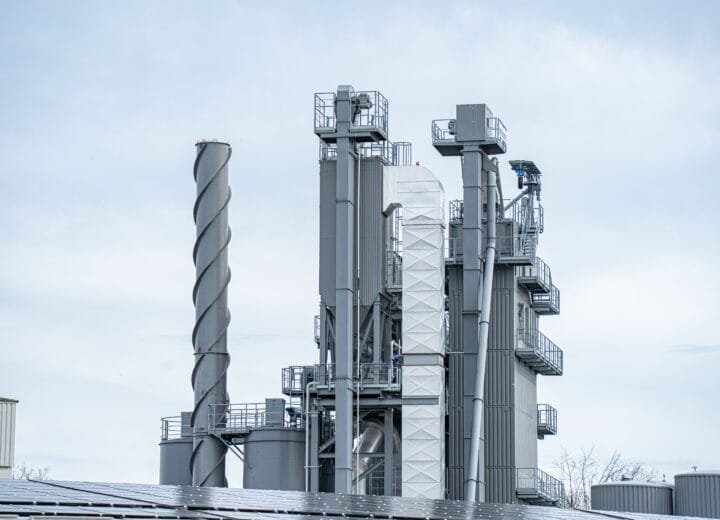
The industrial and manufacturing landscape in Egypt is witnessing an unprecedented wave of structural growth and expansion. Backed by massive national investments in industrial zones, specialized manufacturing funds, and a targeted government push toward export localization, the non-oil manufacturing sector has experienced impressive growth. However, this rapid scaling comes with severe operational pressures. Fluctuating global raw material streams, localized utility pricing adjustments, and domestic transport expenses mean that expanding capacity without maintaining process discipline will quickly erode net margins.
To secure long-term competitiveness in a crowded marketplace, companies must look beyond aggressive sales targets. Success belongs to organizations that implement rigorous, data-driven operational cost reduction best practices in Egypt’s industrial environment. True industrial cost control requires systemic optimization: stabilizing shop-floor processes, standardizing workforce routines, and maximizing equipment uptime to ensure that structural expansion translates directly into bottom-line profitability.
Establishing the Baseline: Data Ownership Over Boardroom Guesswork
The foundational best practice adopted by top-tier industrial operations is the reliance on real-time shop-floor data rather than high-level financial generalizations. Many plants miss internal cost leakages because they lack a granular breakdown of operational losses.
Before introducing structural workflow updates, engineering and management teams must map out exactly where time, materials, and utility costs are escaping. By tracking precise, baseline plant metrics; such as Overall Equipment Effectiveness (OEE), first-pass quality yields, changeover times, and material scrap rates per shift; organizations establish a scientific starting point. This metric-driven transparency prevents companies from executing arbitrary, counterproductive budget cuts and ensures they target root-cause operational inefficiencies instead.
Industrial Engineering Best Practices for Sustainable Optimization
1. Systematic Waste Elimination Through Lean Tools
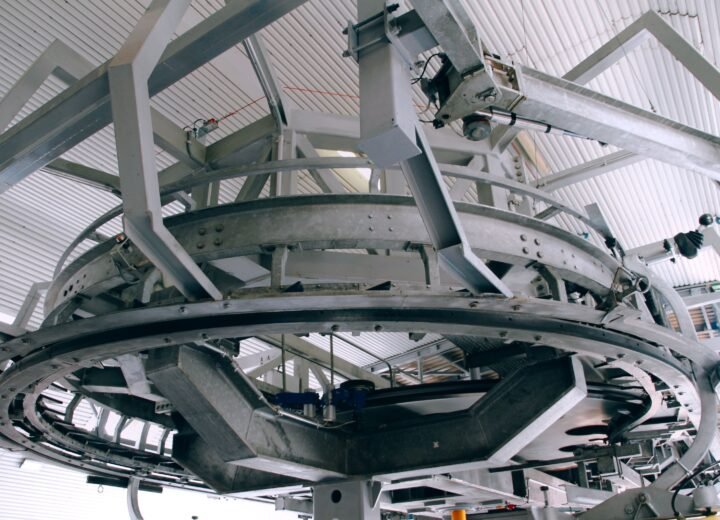
Lean management remains the most reliable industrial framework for exposing embedded workflow friction. Egyptian industrial setups frequently suffer from hidden operational drains, including excessive Work-In-Progress (WIP) storage and non-value-added material movements.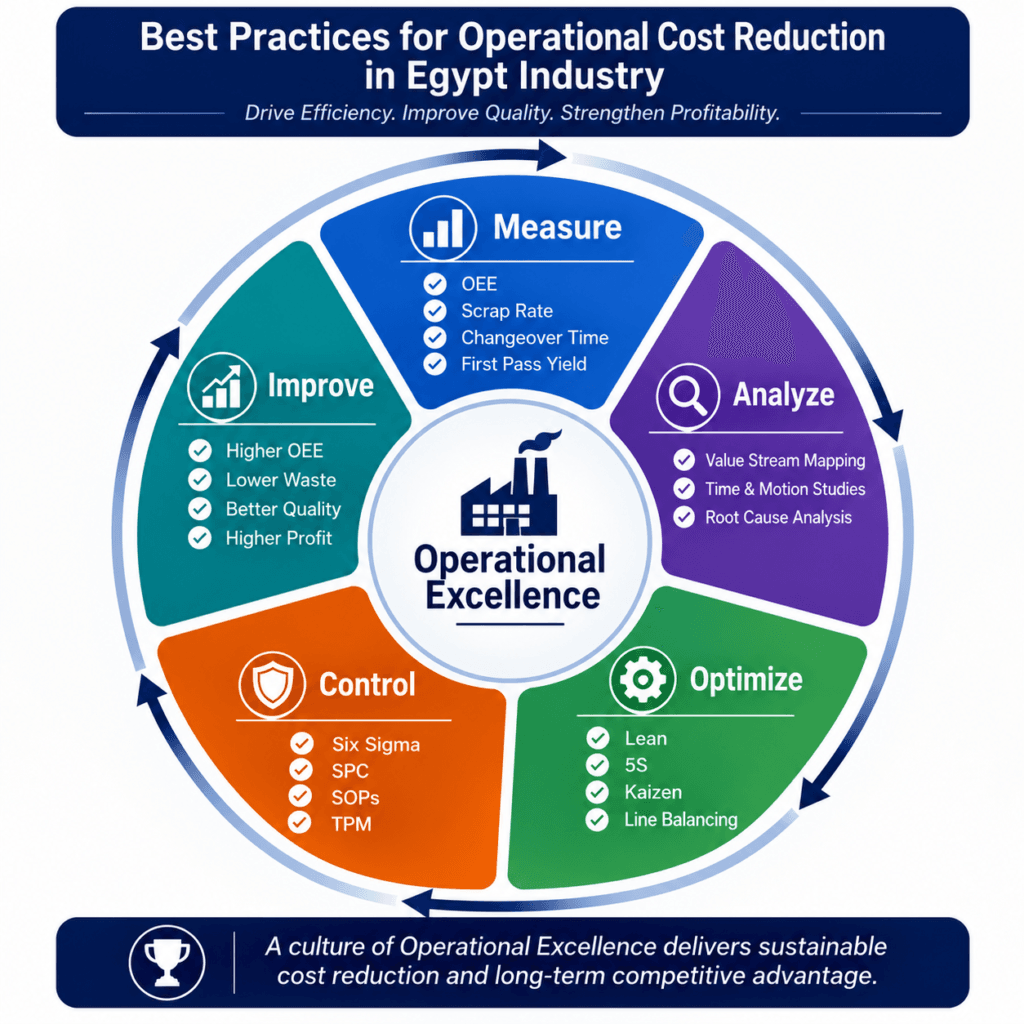
To permanently address these systemic issues, teams deploy key Lean frameworks:
- Value Stream Mapping (VSM): Visually mapping material and information flows to identify structural bottlenecks and unoptimized transit distances.
- 5S Workplace Systems: Transforming work environments to eliminate wasted search times for tools, parts, and fixtures, creating a visible and orderly shop floor.
- Kaizen Methodologies: Utilizing rapid, frontline-led continuous improvement sprints to remove targeted layout blockages.
2. Line Balancing and Workflow Precision via Time and Motion Studies
In manual and semi-automated packaging or assembly environments across Egypt, labor inefficiencies directly inflate the overall cost per unit. Partnering with professional operational cost reduction experts in Egypt to perform structured Time and Motion Studies enables a scientific reassessment of human tasks.
By measuring the duration of human steps and identifying repetitive physical movements, operators can be redeployed efficiently, production line workloads can be perfectly balanced, and ergonomic stations can be engineered. This rigorous baseline alignment helps companies eliminate unnecessary overtime costs without adding physical strain to their workforce.
3. Protecting Quality Margins via Six Sigma Processes
Unmanaged Cost of Poor Quality (COPQ); including scrap, rework, and client rejection penalties; can drain up to 20% of an enterprise’s total revenue.
By utilizing Six Sigma frameworks, manufacturers shift from reactive product sorting to proactive process stability. Using Statistical Process Control (SPC) charts allows operators to monitor variations in raw materials or machine pressures in real time. Maintaining this operational stability ensures that valuable inputs become perfect, shippable outputs on the first pass, shielding the organization from costly material waste.
4. Maximizing OEE with Total Productive Maintenance (TPM)
Allowing critical manufacturing machinery to run until a catastrophic breakdown occurs is a highly destructive operational practice. It causes costly asset downtime, idle floor labor, and expensive emergency component shipping fees.
Adopting Total Productive Maintenance (TPM) models involves machine operators directly in routine, daily maintenance; including cleaning, basic lubrication, and loose-bolt checks. Moving to autonomous maintenance stabilizes machine throughput, minimizes emergency breakdowns, and drastically extends the financial lifecycle of key capital equipment.
Strategic Comparison: Traditional Industry Adjustments vs. Modern Best Practices
| Operational Parameter | Traditional Industrial Actions | Lean & Optimized Best Practices | Long-Term Strategic ROI |
| Material Management | Purchasing cheaper, low-grade inputs | Minimizing scrap rates and process rework | Protects premium quality while dropping total cost-per-unit |
| Asset Strategy | Postponing routine machine services | Institutionalizing Total Productive Maintenance (TPM) | Maximizes OEE and eliminates unplanned factory downtime |
| Labor Management | Enforcing sweeping workforce layoffs | Conducting detailed Time and Motion Studies | Increases worker throughput safely and removes bottleneck delays |
| Process Control | Relying on end-of-line inspection sorting | Applying Six Sigma Statistical Process Control | Drives down the Cost of Poor Quality (COPQ) permanently |
Unlocking Bottom-Line Gains Through External Expertise
Fixing deeply embedded operational inefficiencies requires external objectivity, specialized tools, and field-tested experience. Internal operational managers are often consumed by day-to-day production fires, leaving little time to identify systemic process issues.
Partnering with an experienced operational cost reduction consulting firm in Egypt provides the diagnostic clarity and execution discipline needed to deliver lasting changes. A dedicated advisory partner works directly on the factory floor (Gemba) alongside internal teams. This hands-on collaboration ensures that optimized workflows are institutionalized through visual Standard Operating Procedures (SOPs), preventing operations from drifting back into legacy, wasteful habits.
Conclusion
Sustaining business operational cost reduction across Egypt is achieved by optimizing existing processes, not by cutting essential resources. By applying structured frameworks like Lean waste management, Six Sigma quality precision, Time and Motion optimization, and TPM asset care, Egyptian manufacturers can insulate their cash flows and scale their businesses safely. Eliminating embedded waste allows companies to lower operating costs today while building a lean, competitive foundation designed to capture regional market opportunities tomorrow.
Frequently Asked Questions (FAQs)
What are the best operational cost reduction strategies Egypt’s industries can implement?
The most reliable industrial strategies focus on removing process waste and variation rather than cutting essential budgets. These include deploying Lean operational cost management to strip out production waste, Time and Motion Studies to balance labor lines, and Total Productive Maintenance (TPM) to boost asset lifespan.
Why is operational cost reduction important for Egypt’s firms?
It gives local enterprises the internal capability to absorb fluctuating material costs and rising utility fees without being forced to raise market prices, directly protecting both their market share and profit margins.
How does operational cost reduction help Egyptian companies?
It frees up trapped working capital by reducing material waste, minimizing equipment downtime, and optimizing labor workflows. This newly available capital can be directly channeled into facility expansions or digital transformation initiatives.
How can operational cost reduction improve profit in Egypt?
By systematically lowering the direct cost-per-unit produced. When an organization cuts out waste like material scrap, process defects, and idle machine delays, the resulting cost savings move directly to the company’s bottom line as net profit.
Contact us